
TPO (Thermoplastic Polyolefin) roof installation is a modern, energy-efficient roofing solution designed specifically for flat and low-slope commercial and residential structures. As one of the fastest-growing roofing membranes in the industry, TPO offers superior reflectivity, heat resistance, and long-term durability — qualities that matter enormously in Sandy Springs, Georgia, where summer temperatures routinely exceed 90°F and intense UV exposure accelerates roofing material degradation.
At Sandy Springs Roofing Company, we specialize in professional TPO roof installation tailored to the unique climate, building codes, and architectural landscape of Sandy Springs and the greater metro Atlanta area. Whether you operate a commercial property along Roswell Road, manage a mixed-use development near Perimeter Center, or own a flat-roofed residential home in Hammond Park, our team delivers precision installations that protect your investment for decades. Call us today at (770) 790-3952 to schedule your free roofing assessment.
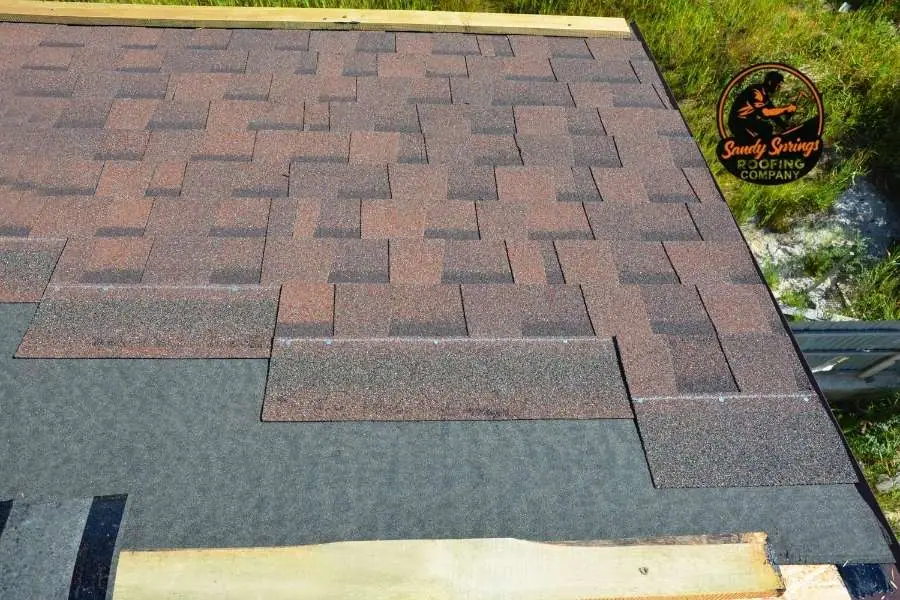
Understanding TPO Roof Installation
Thermoplastic Polyolefin roofing membranes were introduced to the commercial roofing market in the early 1990s as a cost-effective, environmentally responsible alternative to EPDM (rubber) and PVC membranes. Within three decades, TPO has become the single most widely installed commercial roofing membrane in the United States, accounting for approximately 40% of all low-slope roofing installations annually, according to industry reports.
A standard TPO membrane consists of three layers: a TPO polymer base, a polyester-reinforced fabric scrim in the middle for dimensional stability, and a compounded TPO top ply that resists UV radiation, ozone, and chemical exposure. Sheets typically range from 45 mils to 80 mils in thickness and are available in widths of 10 feet, 12 feet, and 20 feet. The seams between sheets are heat-welded using hot-air guns set between 700°F and 1,000°F, creating bonds that are actually stronger than the membrane itself — a critical advantage over adhesive-bonded systems in high-wind environments.
Read moreShow less
In Sandy Springs and the broader Fulton County corridor, TPO is the preferred choice for:
- Commercial office parks and retail centers near Perimeter Center and Hammond Drive
- Medical and professional buildings along Abernathy Road and Mount Vernon Highway
- Flat-roofed multifamily residential properties throughout the Glenridge and Pill Hill districts
- Warehouse and light industrial facilities near the Sandy Springs industrial corridor off Roswell Road
- Religious institutions and schools with large, flat roof sections throughout the city
TPO’s white reflective surface is particularly valuable in Sandy Springs, where rooftop temperatures on traditional dark membranes can reach 170°F to 190°F on summer afternoons. A properly installed TPO membrane can reduce rooftop surface temperatures by 50°F to 80°F, directly lowering HVAC loads and cooling costs — a measurable benefit for any Sandy Springs building owner dealing with Georgia Power utility bills from June through September.
Why TPO Roof Installation Is Needed in Sandy Springs, GA
Extreme UV Exposure and Heat Loading
Sandy Springs receives approximately 218 sunny days per year. From May through September, daily UV Index readings regularly reach 9 to 11 (classified as “Very High” to “Extreme” by the EPA). For conventional EPDM or built-up roofing systems, this sustained UV bombardment degrades membrane polymers, causes surface crazing, and accelerates seam failure. TPO’s UV-stabilized white surface reflects rather than absorbs this solar energy, making it the scientifically superior choice for Sandy Springs commercial rooftops.
Summer Thunderstorm Events
Sandy Springs lies within Georgia’s primary convective storm corridor. The city averages 52 thunderstorm days annually, with peak activity from March through August. Severe storm events — such as the August 2022 derecho that swept through Fulton County with sustained winds of 65 mph and caused widespread roofing damage across the Perimeter Center business district and Glenridge neighborhood — underscore the need for mechanically fastened or fully adhered TPO systems capable of withstanding wind uplift forces. Factory-welded TPO seams and proper fastening patterns rated to FM 1-90 or FM 1-105 wind uplift standards are essential for Sandy Springs installations.
Ice Storm and Freeze-Thaw Stress
While rare, Sandy Springs is not immune to winter ice events. The January 2014 “Snowpocalypse” and the February 2021 winter storm that coated metro Atlanta with up to half an inch of ice demonstrated how freeze-thaw cycling can exploit weaknesses in aging roofing membranes. Ponding water that freezes and expands in low-slope roof drains and at membrane laps can cause catastrophic delamination in older systems. New TPO installations with properly sloped crickets and updated drainage design eliminate this vulnerability.
Tree Canopy and Biological Growth
Sandy Springs is one of metro Atlanta’s most heavily forested municipalities, with a tree canopy coverage rate exceeding 55% in residential areas like Hammond Park, Pill Hill, and the Glenridge Connector corridor. While beautiful, this canopy deposits organic debris — pine needles, oak leaves, seed pods — onto flat rooftops year-round. This organic layer retains moisture, promotes algae and mold growth, and clogs roof drains. TPO membranes resist biological growth far more effectively than EPDM, and their smooth surface sheds debris more readily, reducing maintenance burdens in tree-dense Sandy Springs neighborhoods.
Building Stock Age in Sandy Springs
A significant portion of Sandy Springs’ commercial building stock dates from the 1970s through the 1990s, when the city experienced its first major development boom following the opening of GA-400. Many of these structures carry original built-up roofing (BUR) or early-generation EPDM systems that are now 25 to 40 years past their design life. Replacement with modern TPO is not just recommended — for many Perimeter Center and Roswell Road commercial properties, it is overdue.
Free, no-obligation estimates
Talk to Sandy Springs Roofing Company
Tell us what you need and we’ll take it from there.
Signs You Need TPO Roof Installation in Sandy Springs
Visible Membrane Damage
- Surface crazing, chalking, or white powdery residue on existing EPDM or BUR membrane
- Visible seam separations or open laps longer than 1 inch anywhere on the roof plane
- Punctures, tears, or blistering sections larger than 6 inches in diameter
- Shrinkage of existing EPDM membrane pulling away from parapet walls or curb flashings
Water Intrusion Indicators
- Water stains on interior ceiling tiles, particularly following heavy rain events
- Damp or wet insulation discovered during routine inspection — indicated by soft spots underfoot
- Rust streaks running down interior walls below roofline penetrations
- Recurring leaks at HVAC curbs, skylights, or pipe penetrations despite repeated patch repairs
Structural and Drainage Concerns
- Ponding water remaining on roof surface 48 hours or more after rainfall events
- Sagging or deflection visible from ground level along roof deck span
- Clogged or overflowing interior roof drains after moderate rain events
Age-Related Urgency
- Any flat roofing membrane exceeding 20 years of service life warrants immediate professional assessment
- Three or more repair calls in a single calendar year signal end-of-life membrane condition
If you recognize any of these symptoms on your Sandy Springs property, contact Sandy Springs Roofing Company immediately at (770) 790-3952 for a professional roof inspection. Schedule a Roof Inspection
Our process
Our TPO Roof Installation Process in Sandy Springs
- 01
Comprehensive Roof Assessment (Day 1)
Our certified roofing technicians conduct a thorough visual inspection combined with infrared thermography scanning to identify wet insulation, hidden moisture intrusion, and structural deficiencies beneath the existing membrane. We document all findings with
- 02
Permit Acquisition and Code Review (Days 2–5)
All commercial roofing projects in Sandy Springs require permits through the City of Sandy Springs Community Development Department. We handle all permit applications, ensure compliance with the current Georgia State Minimum Standard Building Code (2020 editio
- 03
Tear-Off and Substrate Preparation (Days 1–3 of Installation)
Existing membrane and compromised insulation are removed and disposed of in accordance with Fulton County waste management guidelines. The roof deck is inspected, and any deteriorated decking sections are replaced before new work begins. Proper drainage slope
- 04
Insulation Installation (Day 2–3)
We install polyisocyanurate (polyiso) rigid insulation board to meet or exceed Georgia’s energy code requirements (ASHRAE 90.1 R-25 minimum for commercial low-slope applications in Climate Zone 3A). Two-layer installation with staggered joints eliminates therm
- 05
TPO Membrane Installation (Days 3–5)
TPO membrane sheets are rolled out, positioned, and either mechanically fastened or fully adhered depending on your building’s structural requirements and exposure category. All seams are heat-welded to a minimum 1.5-inch weld width and probe-tested for integr
- 06
Quality Control Inspection (Day 5–6)
Every seam is probe-tested. Drain connections, flashing terminations, and edge metal details are inspected against installation specifications. Photographic documentation of completed work is provided to the building owner.
- 07
Final Inspection and Sign-Off (Day 6–7)
We coordinate the City of Sandy Springs final roofing inspection and provide you with all warranty documentation, inspection reports, and permit close-out paperwork. Total project timelines typically range from 3 to 7 days for standard commercial installations
TPO Installation Methods and Approaches
1. Mechanically Fastened TPO Systems
The most common installation method in Sandy Springs, mechanically fastened TPO uses factory-approved screws and plates driven through the membrane and insulation into the structural deck at prescribed spacing intervals. This method is ideal for buildings with metal decks — common in 1980s and 1990s Perimeter Center office buildings — and provides excellent wind uplift resistance at a lower cost than fully adhered systems.
2. Fully Adhered TPO Systems
Fully adhered installations bond the TPO membrane directly to the insulation substrate using manufacturer-approved bonding adhesives. This method eliminates membrane billowing in high-wind events, reduces noise, and is required on buildings with sensitive vibration thresholds such as medical facilities in Sandy Springs’ Pill Hill medical district near St. Joseph’s Hospital.
3. TPO Roof-Over (Recover) Systems
When the existing insulation is structurally sound and dry, TPO can be installed directly over the existing membrane, eliminating tear-off costs and landfill disposal fees. This approach is popular for budget-conscious Sandy Springs commercial property owners. However, it requires a core-cut moisture survey confirming less than 25% wet insulation by area.
4. TPO with Ballasted Installation
Ballasted TPO systems — where river stone or pavers hold the loose-laid membrane in place — are occasionally used on buildings with adequate structural load capacity. While less common in Sandy Springs, they are a viable option for certain warehouse properties in the northern industrial corridors off Roswell Road where load capacity is not a constraint.
5. TPO Green Roof Assemblies
For Sandy Springs properties pursuing LEED certification or city sustainability incentives, TPO serves as the waterproofing layer beneath vegetated green roof assemblies. Several newer mixed-use developments near the Sandy Springs City Center have specified this approach to meet stormwater management requirements under the City’s Green Infrastructure guidelines.
TPO Roof Installation Cost in Sandy Springs, GA
Understanding the cost of TPO roof installation in Sandy Springs helps building owners plan budgets and evaluate contractor proposals accurately. The following ranges reflect current market conditions in the metro Atlanta area as of 2024.
Typical Price Ranges
- Basic mechanically fastened TPO (45 mil): $6.50 – $9.00 per square foot installed
- Fully adhered TPO (60 mil): $8.00 – $11.50 per square foot installed
- TPO recover over existing membrane: $4.50 – $7.00 per square foot installed
- 60 mil TPO with tapered insulation system: $10.00 – $14.00 per square foot installed
For a typical 10,000-square-foot commercial rooftop in Sandy Springs, total project costs commonly range from $65,000 to $140,000 depending on system specification, insulation requirements, and existing roof conditions.
Read moreShow less
Key Cost Factors in Sandy Springs
- Roof access complexity: High-rise buildings near Perimeter Center require crane or hoist access, adding $2,000–$8,000 to project costs.
- Number of penetrations: Each HVAC curb, pipe boot, or skylight adds $150–$400 in flashing labor.
- Tear-off requirements: Multi-layer existing roof tear-offs add $1.50–$2.50 per square foot in disposal costs, given current Fulton County landfill tipping fees.
- Insulation R-value upgrades: Bringing older buildings up to current Georgia energy code can add $1.50–$3.00 per square foot in material costs.
- Permit fees: City of Sandy Springs commercial roofing permits typically range from $350 to $900 depending on project valuation.
Contact us at (770) 790-3952 for a detailed, no-obligation estimate for your specific Sandy Springs property. Learn About Our Commercial Roofing Services
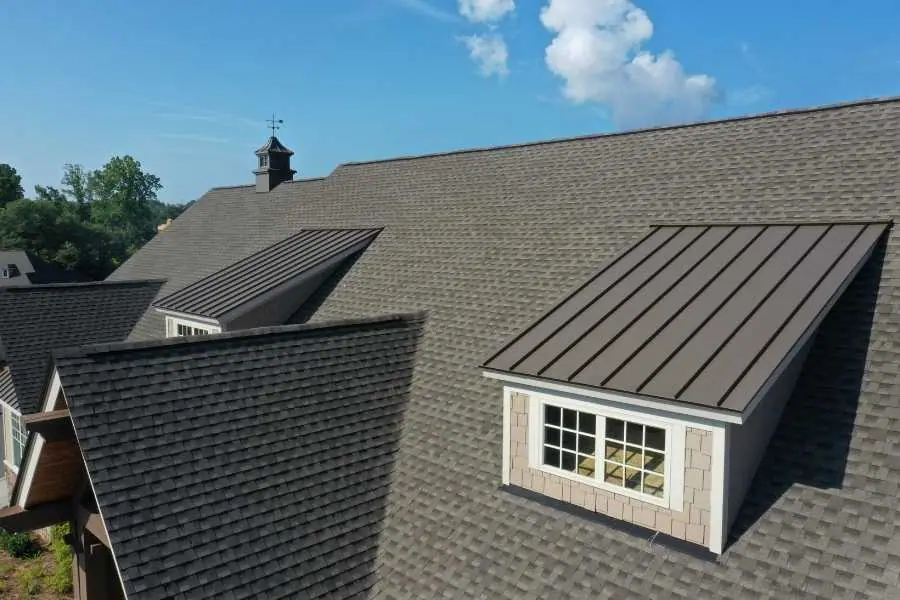
Sandy Springs Neighborhoods We Serve
Perimeter Center
Sandy Springs’ primary commercial hub features a dense concentration of office towers, hotels, and retail centers built predominantly between 1975 and 1995. Many of these structures carry original built-up roofing systems well past their useful life. Our team is experienced navigating the complex access requirements and occupied-building logistics of active Perimeter Center commercial properties.
Pill Hill Medical District
Centered near the intersection of I-285 and Peachtree-Dunwoody Road, Pill Hill is home to Northside Hospital, St. Joseph’s Hospital, and dozens of medical office buildings with flat roofs requiring the highest installation standards. Our fully adhered TPO systems are specified here to minimize disruption to sensitive medical operations below.
Hammond Park and Glenridge
These established residential and mixed-use neighborhoods feature a mix of 1960s ranch-style homes with flat rear additions and 1980s–1990s townhome communities with low-slope roofs. Dense tree canopy in both areas requires more frequent drain maintenance and debris management planning as part of every TPO installation we complete here.
Roswell Road Corridor
Sandy Springs’ primary commercial spine from I-285 to the Roswell city limit features retail strip centers, automotive service buildings, and mixed-use redevelopment projects — all excellent candidates for energy-efficient TPO roof replacement. Explore Roof Replacement Options
TPO Roof Maintenance Tips for Sandy Springs Property Owners
- Inspect twice annually: Schedule professional inspections each spring (March–April) and fall (October–November) to catch winter storm damage and summer UV degradation early in Sandy Springs’ climate cycle.
- Clear roof drains after every major storm: Sandy Springs’ 50+ annual inches of rainfall and heavy leaf fall from the city’s extensive tree canopy can clog drains quickly, causing dangerous ponding water.
- Keep HVAC equipment service crews off the membrane: Require all rooftop service personnel to use designated walkway pads — punctures from dropped tools are the leading cause of TPO leaks on commercial rooftops.
- Trim overhanging tree branches: Given Sandy Springs’ dense urban forest, branches within 10 feet of the roofline should be trimmed to prevent abrasion and reduce debris accumulation.
- Check flashing terminations annually: Parapet wall flashings and HVAC curb details are the most common failure points on Sandy Springs rooftops.
- Document all roof penetration additions: Any new HVAC unit, exhaust fan, or communications antenna added to your roof must be properly flashed by a qualified roofing contractor.
- Keep detailed repair records: Warranty claims require documentation of maintenance history — maintain a roof log for your Sandy Springs property.
Learn More About Our Roof Maintenance Programs
Why Choose Sandy Springs Roofing Company
Sandy Springs Roofing Company is a locally operated roofing contractor serving Sandy Springs and the surrounding metro Atlanta communities with focused expertise in commercial and residential flat roofing systems. We are not a national franchise or out-of-state storm chaser — we are your neighbors, and we understand the specific climate challenges, building codes, and architectural conditions of Sandy Springs intimately.
Our team is trained in the installation standards of leading TPO manufacturers and follows all NRCA (National Roofing Contractors Association) best practices on every project. We carry full general liability insurance and workers’ compensation coverage, protecting you from any liability on your property during the installation process.
Read moreShow less
We service the full range of roofing needs throughout Fulton County and the greater metro Atlanta area, including Roof Repair, Roof Inspection, Emergency Roofing, and Commercial Roofing for all property types. Our commitment to transparent pricing, clear communication, and quality craftsmanship has made us a trusted name throughout Sandy Springs and beyond. Call (770) 790-3952 to speak with our team today.
FAQ
Frequently Asked Questions: TPO Roof Installation in Sandy Springs, GA
How much does TPO roof installation cost in Sandy Springs, GA?
In Sandy Springs, TPO roof installation typically costs between $6.50 and $14.00 per square foot installed, depending on the membrane thickness, attachment method, insulation requirements, and existing roof conditions. A 10,000-square-foot commercial roof project commonly ranges from $65,000 to $140,000 total. Contact us at (770) 790-3952 for a free site-specific estimate.
How long does a TPO roof installation take in Sandy Springs?
Most commercial TPO roof installations in Sandy Springs take between 3 and 7 business days, depending on roof size, system complexity, and weather conditions. We schedule installations around Sandy Springs’ afternoon thunderstorm patterns during summer months to ensure safe and code-compliant membrane welding conditions.
Is TPO roofing the best choice for Sandy Springs’ climate?
Yes. TPO’s white reflective surface is exceptionally well-suited to Sandy Springs’ 218+ sunny days per year and extreme summer heat. It reduces rooftop temperatures by up to 80°F compared to dark-colored membranes, lowering HVAC energy costs significantly. Its heat-welded seams also withstand the severe thunderstorms and high-wind events common in Fulton County better than adhesive-bonded systems.
Do I need a permit for TPO roof installation in Sandy Springs?
Yes. The City of Sandy Springs requires a building permit for all commercial roof replacements and most residential flat roof replacements. Sandy Springs Roofing Company handles all permit applications and coordinates the required City of Sandy Springs final roofing inspection on your behalf.
How long does a TPO roof last in Sandy Springs, GA?
A properly installed TPO roof in Sandy Springs can be expected to last 20 to 30 years with regular maintenance. Annual inspections, prompt drain clearing (especially important in Sandy Springs given 50+ inches of annual rainfall), and immediate repair of any punctures or flashing failures will maximize your membrane’s service life.
Can TPO be installed over my existing roof in Sandy Springs?
Potentially yes. If a core-cut moisture survey confirms that your existing insulation is less than 25% saturated by area, a TPO recover installation is permissible under the Georgia State Building Code (which allows a maximum of two roof layers on most commercial structures). This approach saves on tear-off costs and landfill disposal fees — both meaningful considerations given current Fulton County disposal rates.
What areas near Sandy Springs do you serve?
In addition to Sandy Springs, we serve Alpharetta, Roswell, Dunwoody, Brookhaven, Buckhead, Decatur, Marietta, Kennesaw, Smyrna, Norcross, Chamblee, Doraville, Tucker, Vinings, Johns Creek, Milton, and Peachtree Corners. View All Service Areas
What is the difference between TPO and EPDM roofing for Sandy Springs buildings?
Both are single-ply membrane roofing systems, but they differ significantly in performance characteristics relevant to Sandy Springs. TPO’s white surface reflects solar energy, making it far more energy-efficient in Georgia’s hot climate. TPO seams are heat-welded, creating a stronger bond than the adhesive-joined seams of EPDM. EPDM’s dark surface absorbs heat, increasing cooling loads. For the vast majority of Sandy Springs commercial and flat-roofed residential applications, TPO offers the better long-term value proposition.
Get Your Free TPO Roof Installation Estimate in Sandy Springs Today
Don’t let an aging or damaged flat roof put your Sandy Springs property at risk. Whether you manage a commercial office building near Perimeter Center, a medical facility in Pill Hill, or a flat-roofed residential property in Glenridge, Sandy Springs Roofing Company is ready to deliver a professional TPO roof installation that protects your investment against Georgia’s demanding climate for decades to come.
Our team responds promptly to all inquiries, provides transparent written estimates with no hidden fees, and schedules work at your convenience. For emergency roofing situations, we offer rapid-response service throughout Sandy Springs and metro Atlanta.
Call us now at (770) 790-3952 to schedule your free roof assessment and estimate. You can also Contact Us Online and a member of our Sandy Springs roofing team will respond within one business day. Explore All Commercial Roofing Services
Get in touch
Find roofing help near you
Request a free estimate online or give us a call — our team will follow up quickly.
- Call us(770) 790-3952
- Visit1050 Crown Pointe Pkwy Suite 500 PMB #109193 Unit A, Sandy Springs, GA 30338
- HoursMon-Sat: 7:00 am – 7:00 pm